By Jamie Schwartz, Berwyn Shower & Glass
Custom glass railing installation improves safety and appearance for residential and commercial properties. Knowing the main stages sets realistic expectations for schedule and outcome. This guide summarizes the primary installation phases, common materials and the expertise needed for a successful project. For full details on custom glass solutions and professional services, visit Berwyn Glass.
What Are the Key Steps in the Glass Railing Installation Process?
The glass railing installation follows a set of stages to ensure safety, function and a polished finish. Familiarity with each phase helps clients plan and coordinate the work.
- Assessment and Measurement: Site conditions and exact dimensions are documented before work begins.
- Material Selection: Select glass type and supporting hardware—commonly tempered or laminated glass with corrosion-resistant fittings.
- Panel Installation: Glass panels are secured with industry-standard hardware and techniques to meet safety and aesthetic goals.
- Final Inspection: A thorough check verifies correct installation and compliance with applicable regulations.
Berwyn Glass provides custom glass solutions and professional installation for both homes and commercial projects.
Additional Considerations
Other planning factors can affect the final result and should be reviewed during quoting and design.
- Indoor vs. Outdoor Installations: Outdoor systems need UV- and moisture-resistant materials and finishes.
- Safety Features: Top clamps, support posts and proper anchoring improve stability.
Addressing these items early helps owners make choices that balance safety, durability and appearance.
Maintenance Tips
Regular care extends service life. Key actions include:
- Regular Cleaning: Use non-abrasive cleaners and soft cloths to keep glass clear and scratch-free.
- Inspection Frequency: Check fittings and panels every few months for wear, loose fixings or small cracks.
Timely maintenance preserves both appearance and structural integrity.
How Are Design and Measurements Conducted for Custom Glass Railings?
Design sets performance and look. The process usually has two core steps:
- Site Measurement Techniques: Precise dimensions and angles are captured using industry tools.
- Design Confirmation Process: Clients review and approve drawings or digital visuals before fabrication.
A careful design and sign-off process helps ensure the finished railing fits the site and meets safety requirements.
What Materials and Hardware Are Selected for Durable Glass Railing Solutions?
Durability depends on the right materials and components. Common choices include:
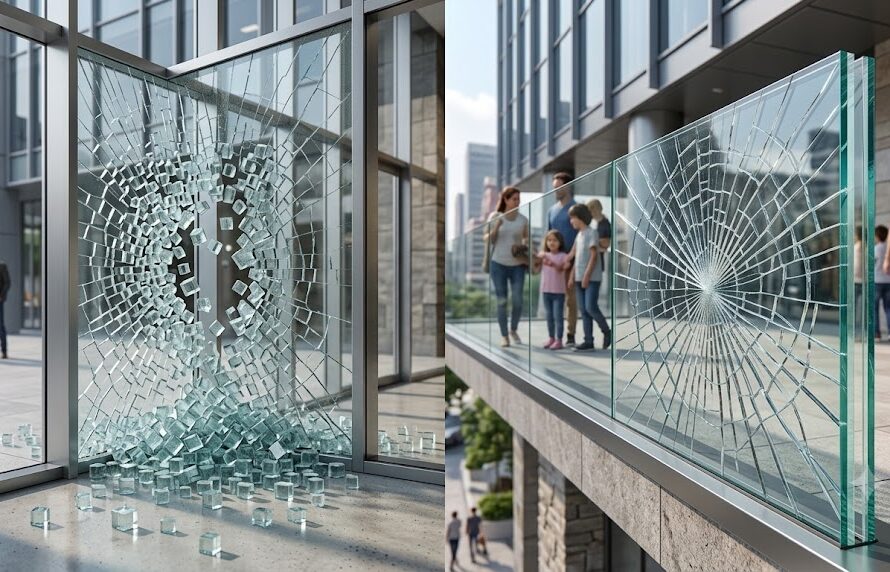
- Types of Glass: Tempered or laminated glass for strength and safety.
- Framework Materials: Stainless steel or aluminum for corrosion resistance.
- Hardware Components: Quality brackets, clamps and anchors for secure attachment.
Specifying proven materials helps the system meet safety specs and look cohesive over time.
What Is the Typical Timeline for Completing a Glass Railing Installation Project?
Typical phases and timing:
- Assessment to Installation Timeline: Design, fabrication and scheduling commonly take 1–3 weeks before installation begins.
- Factors Influencing Timeline: Site complexity, outdoor weather, and material lead times or permits can extend the schedule.
Most projects finish within two to six weeks from initial consultation, depending on scope and materials.
Why Choose Professional Glass Railing Contractors for Installation?
Hiring professionals offers clear benefits:
- Expertise: Installers apply best practices and know local safety requirements.
- Quality Assurance: Professional work helps ensure consistent, code-compliant results.
Qualified contractors like Berwyn Glass help ensure your custom railing functions as intended and adds value. For project questions or estimates, please contact us.
Frequently Asked Questions
What are the benefits of using custom glass railings over traditional options?
Custom glass railings provide modern aesthetics, unobstructed sightlines and easier cleaning. Tempered glass panels add strength suitable for high-traffic or visible locations.
How do I determine the right height for my glass railing?
Railing height affects safety; residential heights commonly range 36–42 inches. Local codes may set minimums, so confirm requirements with professionals or authorities.
Can glass railings be installed in areas with extreme weather conditions?
Yes—tempered glass plus stainless steel or aluminum framing withstands harsher climates when specified and installed correctly.
How should I maintain my glass railings to ensure longevity?
Clean with non-abrasive products and a soft cloth; inspect fittings and panels periodically and address any loose hardware or cracks promptly.
What safety features should I consider for custom glass railings?
Consider top clamps, support posts, certified hardware and appropriate glass thickness or lamination for impact resistance.
What costs should I budget for a glass railing installation?
Costs vary by glass type, design and local labour; plan for a range and request detailed quotes to confirm pricing for your project.
Do glass railings require special permits for installation?
Permits are often required for outdoor or commercial installations. Local building codes dictate permit needs—check with authorities or your contractor.
Conclusion
Custom glass railings combine safety and visual clarity when designed and installed methodically. Engage experienced professionals to ensure compliant, long-lasting results and to maximise the impact on your property.