Durable Glass Windows: The Complete 4,000-Word Guide to Strength, Efficiency & Style
When it comes to modern architecture and home improvement, Durable Glass Windows blend aesthetic appeal with outstanding performance. Whether you’re renovating a historic home or constructing a cutting-edge commercial building, selecting the right glass windows ensures longevity, energy efficiency, and safety. In this comprehensive guide, we cover material types, performance metrics, installation best practices, maintenance tips, and real-world applications—complete with internal and external links and illustrative images to help you make informed decisions.
1. Why Choose Durable Glass Windows?
- Impact Resistance: Tempered and laminated options withstand storms, impacts, and break-in attempts.
- Thermal Performance: Insulated Glass Units (IGUs) with Low-E coatings dramatically reduce heating and cooling loads.
- Soundproofing: Double- and triple-glazed assemblies with argon fills dampen noise for quieter interiors.
- UV Protection: Advanced coatings block harmful UV rays to protect furnishings and finishes.
- Long Lifespan: Corrosion-resistant frames and high-quality sealants extend service life beyond 25 years.
2. Types of Durable Glass Windows
2.1 Tempered Safety Glass
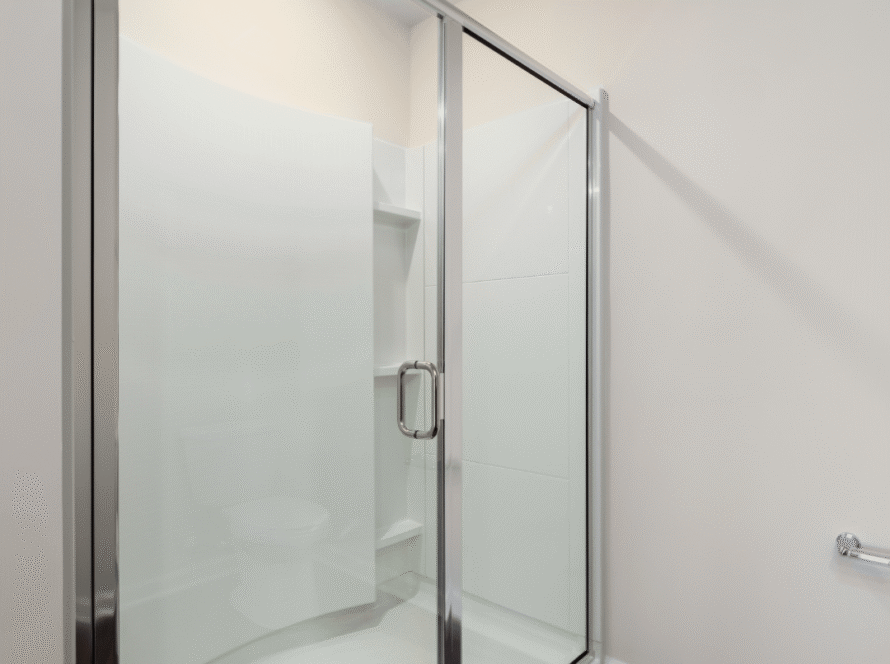
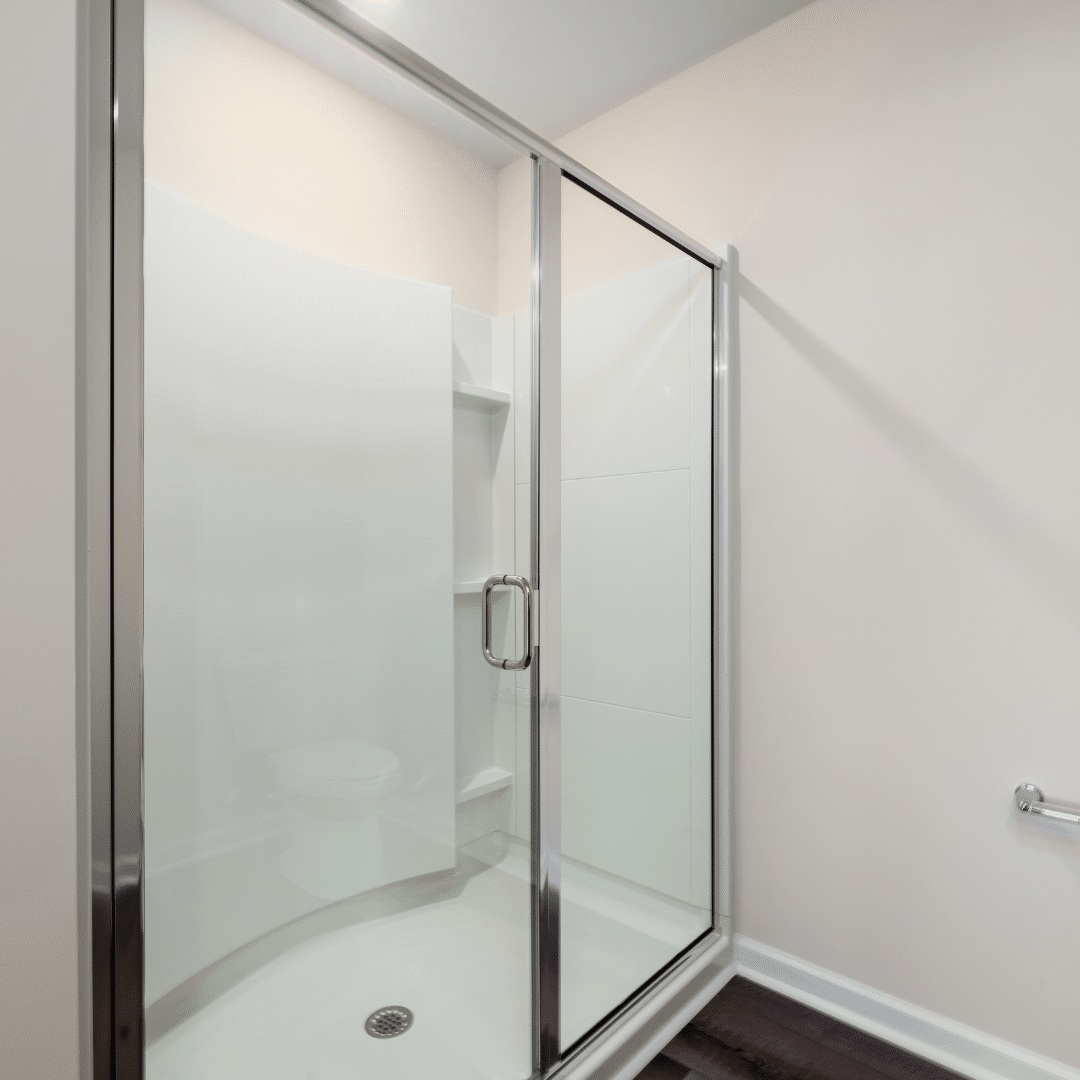
Tempered glass is heat-treated to increase strength. When broken, it shatters into small pebble-like pieces, reducing injury risk. Standard in shower doors and sliding enclosures (Shower Doors).
2.2 Laminated Glass
Laminated units sandwich a PVB interlayer between glass panes. It holds fragments in place upon impact, making it ideal for hurricane-prone regions and storefront glazing (Store Front Glass).
2.3 Insulated Glass Units (IGUs)
IGUs consist of two or more panes separated by a spacer and sealed, often with argon or krypton fill. Coupled with Low-E coatings, they achieve U-values as low as 0.15 and SHGC below 0.25 (Foggy Insulated Glass Units).
2.4 Specialty & Decorative Glass
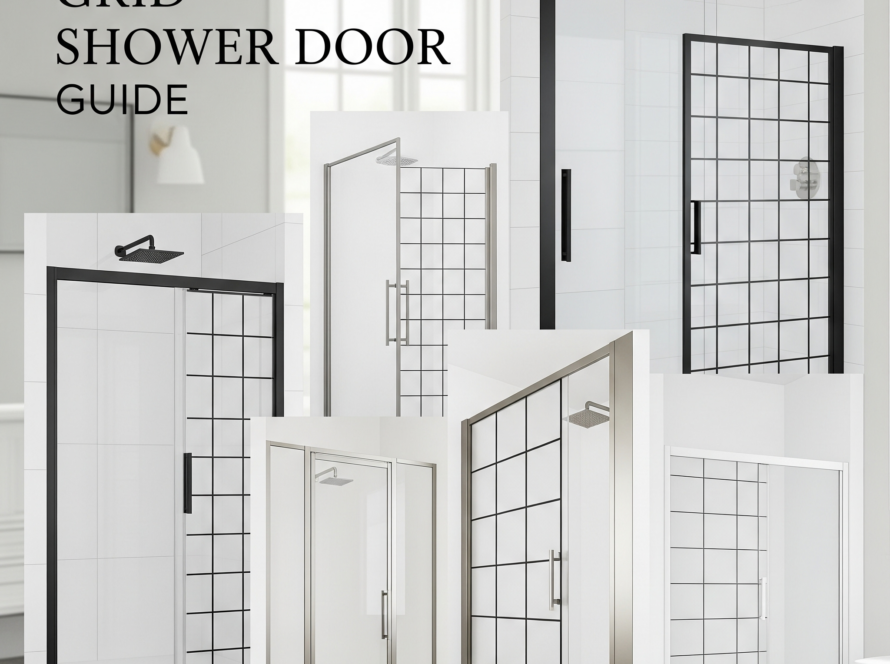
Frosted, tinted, or patterned glass offers privacy and design flexibility. Decorative partitions and mirrors (Mirrors) use acid-etching or ceramic frit for long-lasting beauty.
3. Key Performance Metrics
When evaluating durable glass windows, consider:
- U-Factor: Rate of heat transfer (lower is better). Targets: U-0.15–0.30.
- Solar Heat Gain Coefficient (SHGC): Fraction of solar radiation admitted (lower reduces cooling loads).
- Visible Light Transmittance (VLT): Percentage of visible light passed (balance daylighting vs. glare).
- Sound Transmission Class (STC): Soundproofing rating (higher reduces noise).
- Impact Rating: Classifications per ICC and ASTM for safety glass.
4. Frame Materials & Durability
4.1 Aluminum Frames
Strong, lightweight, and low-maintenance. Thermal breaks and powder-coating enhance energy performance and corrosion resistance.
4.2 Vinyl & Composite Frames
Excellent insulation properties, UV stability, and minimal maintenance—ideal for residential retrofits.
4.3 Wood & Fiberglass Frames
Natural thermal resistance and aesthetic warmth. Require periodic maintenance (painting/staining) but last decades when properly sealed.

5. Installation Best Practices
- Site Preparation: Verify opening dimensions, level sills, plumb jambs, and adequate flashing.
- Sealant & Flashing: Use low-VOC, ASTM-approved sealants and proper drainage planes to prevent water intrusion.
- Anchoring: Secure frames per manufacturer’s torque specs; allow for thermal expansion.
- Glazing: Follow IGMA and ASTM protocols for setting blocks, glazing tape, and back-bed seals.
- Quality Assurance: Perform blower-door and infrared scans to detect air leaks and thermal bridges.
6. Energy Efficiency & Sustainability
Durable glass windows significantly reduce heating and cooling energy. Pair IGUs with Low-E coatings certified by ENERGY STAR and contribute to LEED credits through recycled content and optimized thermal performance.
7. Maintenance & Longevity
- Regular Cleaning: Use pH-neutral cleaners; avoid abrasive pads. (This Old House recommends microfiber cloths.)
- Seal & Hardware Inspection: Check annually for seal failures, corrosion, and smooth operation.
- Glass Coatings: Reapply hydrophobic or anti-fog treatments as needed.
8. Applications & Case Studies
8.1 Residential Upgrades
Historic townhouse retrofit with fiberglass-clad wood windows and insulated IGUs reduced energy bills by 30%.
8.2 Commercial Storefronts
Monolithic aluminum glazing and laminated safety glass enhanced security and daylighting in retail environments (Store Front Glass).
8.3 Institutional Buildings
University lab buildings installed dynamic solar-control glass for glare reduction and daylight harvesting, integrated with lighting controls for peak efficiency.
Conclusion
Choosing Durable Glass Windows ensures your project benefits from superior strength, thermal performance, acoustic comfort, and long-term savings. With proper selection, installation, and maintenance, these windows can serve your home or business reliably for decades—backed by industry standards and warranties.
FAQ
1. What is the difference between tempered and laminated glass?
Tempered glass is heat-strengthened and shatters into small, blunt pieces. Laminated glass uses an interlayer to hold shards in place, offering enhanced security and sound reduction.
2. How can I improve the energy efficiency of existing windows?
Apply Low-E film, seal air leaks with caulk or weatherstripping, and consider retrofit IGUs from Energy-Efficient Glass solutions.
3. Are durable glass windows suitable for coastal areas?
Yes. Choose corrosion-resistant frames (fiberglass or thermally broken aluminum) and laminated hurricane-rated glass per ICC codes.
4. How do I maintain window seals and hardware?
Inspect annually for gaps, apply compatible sealant when needed, and lubricate moving parts with silicone spray.
5. Do durable glass windows qualify for tax credits?
Many energy-efficient window upgrades qualify for federal and state incentives when certified by ENERGY STAR. Check current programs before purchase.
For expert advice and custom durable glass window solutions, contact Berwyn Glass & Shower Doors: info@berwynglass.com | (610) 917-9900