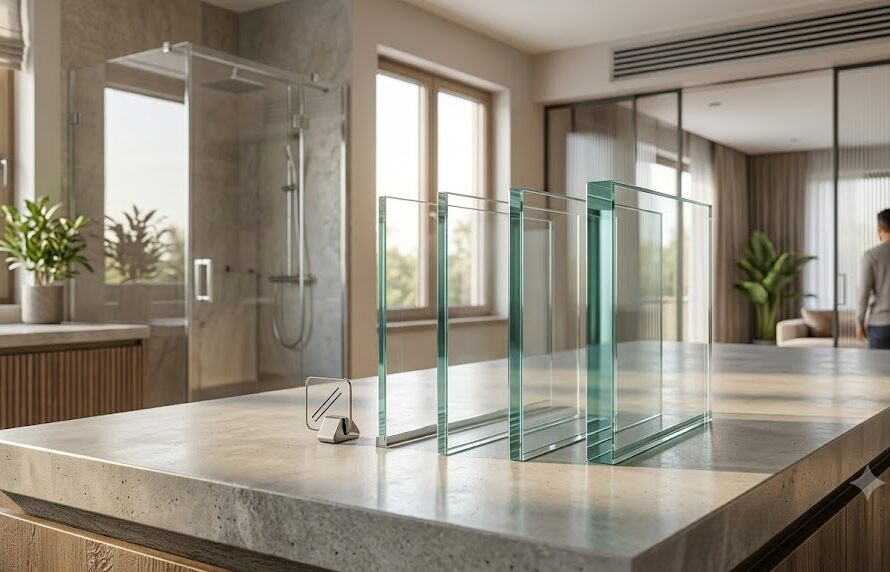
If you’re upgrading or fitting out a commercial property, one of the most important decisions you’ll face is choosing between single vs double glazed storefront glass. It sounds like a purely technical choice, but it has real implications for your energy bills, customer comfort, security, noise levels, and even how your brand is perceived from the street.
At Berwyn Glass, we work with business owners every day who are navigating this exact decision. In this guide, we’ll break down everything you need to know so you can choose the right shop window glazing for your specific situation.
What Is Single Glazed Storefront Glass?
Single glazed glass is exactly what it sounds like — a single pane of glass installed in your storefront frame. It’s the traditional standard that has been used in commercial properties for decades. The glass panel is typically 4mm to 6mm thick and sits directly in an aluminium or steel frame.
Single glazing is still widely used in retail units, cafés, showrooms, and office fronts — especially in older buildings or properties in warmer climates where thermal performance isn’t a primary concern.
Key characteristics of single glazed storefronts:
- One layer of glass with no insulating gap
- Lower upfront installation cost
- Thinner profile, easier to retrofit
- Less effective at blocking heat, cold, or sound
- Widely available and quick to replace
What Is Double Glazed Storefront Glass?
Double glazing commercial units use two panes of glass separated by a sealed gap — typically filled with air or an inert gas like argon. This combination is known as an insulated glass unit (IGU glass), and it’s become the benchmark for modern commercial glazing.
A standard IGU (insulated glass unit) consists of:
- An outer pane (usually 4–6mm)
- A spacer bar creating a gap of 12–20mm
- An inner pane (usually 4–6mm)
- A hermetic seal around the perimeter to prevent moisture ingress
The result is a thermal glass unit that dramatically outperforms single glazing in terms of insulation. Commercial double glazing is now the preferred choice for new builds, energy-efficient commercial fitouts, and premium retail environments.
Single vs Double Glazed Storefront Glass: The Core Differences
Let’s compare the two options across the factors that matter most for a commercial property.
1. Thermal Performance and Energy Efficiency
This is where the gap between the two options is most significant.
Single glazing has a U-value (a measure of heat transfer) of around 5.0–5.8 W/m²K. That means heat moves freely through the glass — out in winter, in during summer. Your HVAC system has to work overtime to compensate.
A quality insulated glass unit typically achieves a U-value of 1.1–2.8 W/m²K, depending on the specification. That’s a substantial reduction in heat transfer. For an energy efficient storefront, double glazing is clearly the superior choice.
For businesses running air conditioning or heating throughout the day — restaurants, retail stores, offices, medical clinics — this translates directly to lower utility bills. Many Berwyn Glass clients report noticeable reductions in their energy costs after switching to commercial double glazing.
2. Noise Reduction
If your business is located on a busy street, near a transport hub, or in an urban centre, acoustic performance matters. Staff productivity, customer experience, and the general atmosphere of your space are all affected by ambient noise.
Single glazed shop window glazing offers minimal acoustic insulation. Noise travels almost unimpeded through a single pane.
Double glazing — particularly when asymmetric glass thicknesses are used (e.g., 4mm outer and 6mm inner) — can reduce noise transmission significantly. Acoustic-rated IGU glass products can bring sound levels down by 35–45 decibels in some configurations.
For cafés, hair salons, law offices, estate agents, or any business where conversation and ambience matter, thermal glass with acoustic properties is well worth the investment.
3. Condensation and Moisture Control
Condensation on the interior surface of your storefront glass is more than an aesthetic issue — it can damage frames, affect visibility, and signal to customers that your premises feel damp or poorly maintained.
Single glazed glass is highly prone to condensation because the inner surface gets cold quickly, causing moisture in the air to form droplets.
A properly installed insulated glass unit eliminates this problem. The inner pane stays closer to room temperature, so condensation rarely forms on the interior surface. This is a particular advantage for food businesses, gyms, and any premises where there’s a lot of moisture in the air.
4. Security
For shopfronts, security is a non-negotiable consideration.
Single panes of glass are inherently more vulnerable to impact, breakage, and forced entry. While toughened (tempered) or laminated single glazing improves this significantly, the fundamental limitation of a single layer remains.
Commercial double glazing units can incorporate laminated glass on one or both panes, toughened glass, or even anti-bandit specifications for high-risk retail environments. Berwyn Glass offers a range of security-rated IGU glass options designed specifically for commercial storefronts in high-footfall areas.
5. UV Protection
UV rays cause fading of merchandise, furnishings, flooring, and signage — costing businesses money and affecting the appearance of displays.
Standard single glazing blocks some UV light, but a significant amount still penetrates.
Double glazing with a low-E (low-emissivity) coating applied to the inner surface of the outer pane can block up to 99% of UV radiation while maintaining excellent clarity. For retailers, galleries, showrooms, and any business with window displays, this is a major benefit of upgrading to an energy efficient storefront glazing system.
6. Upfront Cost vs Long-Term Value
There’s no getting around it — single glazing costs less to purchase and install initially. For a tight budget or a temporary retail space, this can be a deciding factor.
However, commercial double glazing delivers better long-term value in most commercial contexts. When you factor in:
- Reduced energy costs year-round
- Lower maintenance and replacement frequency
- Better thermal comfort for customers and staff
- Potential improvements to building EPC ratings
- Reduced wear on HVAC equipment
…the return on investment from double glazing typically materialises within a few years for most businesses.
At Berwyn Glass, we can provide detailed cost comparisons for your specific premises so you can make an informed decision based on your actual usage patterns.
When Single Glazing Might Still Make Sense
Despite the advantages of shop window glazing with double insulation, there are scenarios where single glazing remains a practical choice:
- Listed buildings or heritage properties where planning restrictions limit glazing options
- Temporary or seasonal commercial spaces (market stalls, pop-ups, exhibition units)
- Mild climates where thermal performance is less critical
- Short-term lets where investment in premium glazing won’t be recouped
- Budget-constrained fitouts where single glazing with good sealing delivers acceptable performance
Even in these cases, Berwyn Glass can advise on the best single-glazing specification — toughened, laminated, or solar-control — to maximise performance within your constraints.
When Double Glazing Is the Right Choice
Commercial double glazing is strongly recommended when:
- Your business relies on stable internal temperatures (food service, medical, beauty)
- You’re located in a noisy urban environment
- Your premises are occupied for long hours with significant heating or cooling costs
- You have a window display that requires UV protection
- You’re aiming for a premium customer environment
- You’re fitting a new build or major commercial refurbishment
- Your property requires a good EPC rating for insurance or lease compliance
In all of these situations, the performance of an insulated glass unit makes it the smarter commercial investment.
IGU Glass: What to Look for in a Commercial Specification
Not all IGU glass is created equal. When specifying double glazing for a commercial storefront, the following factors influence performance:
Gap width: A 16mm or 20mm argon-filled cavity typically outperforms a narrower 6mm air-filled gap.
Gas fill: Argon-filled units have better thermal performance than air-filled equivalents.
Low-E coating: A low-emissivity coating on the outer pane’s inner surface dramatically improves the U-value and UV blocking.
Glass thickness combinations: Asymmetric thicknesses (e.g., 4mm + 6mm) improve acoustic performance compared to symmetric configurations.
Spacer bar: Warm-edge spacers reduce thermal bridging at the edge of the unit and lower the risk of condensation forming around the perimeter.
Berwyn Glass stocks and fabricates IGU glass units to bespoke sizes for commercial clients, with a range of coatings, glass types, and cavity specifications available.
What About Triple Glazing for Commercial Storefronts?
Triple glazing — three panes with two insulating cavities — is gaining traction in high-performance commercial buildings. It offers the best U-values available in glass, typically around 0.5–0.8 W/m²K.
However, for most storefront applications, triple glazing adds significant weight and cost without delivering proportionate benefits over a well-specified commercial double glazing unit. It’s most appropriate for very cold climates, Passivhaus commercial projects, or premises with very high energy efficiency targets.
Our team at Berwyn Glass can advise on whether triple glazing makes sense for your specific project.
How Berwyn Glass Can Help
Choosing between single vs double glazed storefront glass isn’t just about picking a product off a shelf. It involves understanding your building, your business, your climate, and your budget — and then specifying a glazing system that balances all of those factors.
Berwyn Glass specialises in commercial glazing for retail, hospitality, office, and industrial clients. Our services include:
- Free site surveys and glazing assessments
- Full specification advice for new builds and refurbishments
- Supply and installation of shop window glazing in single, double, and triple configurations
- Security, acoustic, solar control, and low-E glass options
- Fast turnaround on bespoke IGU glass fabrication
- Nationwide service with experienced commercial installation teams
Whether you’re replacing a broken pane, fitting out a new shopfront, or planning a full commercial refurbishment, our team is ready to help you make the right choice.
Final Verdict: Single vs Double Glazed Storefront Glass
For the vast majority of commercial properties in the UK, double glazed storefront glass is the better long-term investment. The performance advantages — energy efficiency, noise reduction, condensation control, UV protection, and security — more than justify the higher upfront cost for most businesses.
Single glazing still has its place in certain applications, but if you’re making a permanent installation and expect your premises to be occupied and heated or cooled regularly, the case for commercial double glazing is compelling.
The key is getting the specification right — and that’s where Berwyn Glass comes in. Contact our team today for a no-obligation consultation and site assessment, and let us help you choose the energy efficient storefront glazing that’s right for your business.